San Diego Hang Gliding and Paragliding Association
  • SDHGPA
    • About Us
    • Minutes, News, & Articles
    • SDHGPA Calendar
    • Instruction Policies - Protocol
    • History - San Diego Free Flight >
      • Black Mountain Open Space History
    • Permits >
      • Bylaws
    • Flight Videos
  • What's Happening
    • SDHGPA Calendar
    • Minutes, News, & Articles
    • SOCAL WX Dash Board
    • Weather Stations
    • Who's Flying Where
    • SDHGPA Tracking Maps
    • Web Cams - SDHGPA Site & XC Route live Cameras
  • Membership
    • Join SDHGPA
    • Current Membership Status
    • Member Only Pages >
      • Palomar Sign-In
      • Palomar Sign-Out
      • 2026 Membership Info-Gates-Cards
      • 2025 Membership Info-Gates-Cards
      • Member Only Pages
      • Telegram & Private FB Access
      • Gear Swap
      • Roster
      • Meeting Live Stream Videos
      • XC Maps & Master Waypoint Files
      • Clinic & Meeting Talk Materials
      • Incident-Accident Report
  • Sites Guide
  • XC Contest - SDHGPA
    • SDHGPA XC Contest Rules & Scoring
    • Join SDHGPA Leonardo XC Comp Filter
    • Generating Track Logs & Uploading Flights to Leonardo
    • Flight Animation
    • XC Maps & Master Waypoint Files
    • XC Records
  • Palomar Point Series
  • LiveTrack24 SDHGPA Group
  • Schools - Tandem
  • Selecting the Right School - Instructor
  • Visiting SD Incident-Accident Report
  • USHPA
  • Links
  • Meeting - Non-Flying Guest BBQ Donations

Meeting Minutes, News, & Articles

SDHGPA Meeting Notes - June 2017

6/22/2017

0 Comments

 
June 15th 2017 Meeting Agenda & Notes:
Was a small meeting mostly attended by Board Members.
Site Information and Updates - Reminder for all on Site Protocols:
  • Bill Helliwell noted that essentially the entire San Felipe Valley, including the usual Banner landing area, is closed for the summer to all use, including foot traffic, and is being actively monitored.  â€‹The Laguna Site Guide was updated and Notice Published regarding San Felipe Valley Summer Month Closure on June 21st.
  • Reminder that Use of Palomar Launched or LZs and other listed Sites as Instruction sites that includes Tandem Flight (by definition) by any commercial operator, even from Robin's or other alternate launches, is only permitted by instructors that have registered with SDHGPA and meet all SOPs.  http://www.sdhgpa.com/instruction-policies---protocol.html. A reminder and Notice was sent to Air California Adventure and its instructors on 5-2-2017 after violations of site protocols. As an USHPA Chapter, SDHGPA Flight SOPs are based on and include all USHPA SOPs, and are considered USHPA SOPs by extension. Noncompliance with those SOPs could put ratings and appointments at risk.
  • In the April meeting, the Board voted and passed a motion to add Blossom back in as an additional insured site covering the Landowners and Chapter. Primary reasons are for site preservation and to cover the % of pilots the are USHPA members. This brings the Chapter to covering 6 Additional Insured Sites in addition to 62 specific managed Launch and LZ locations.
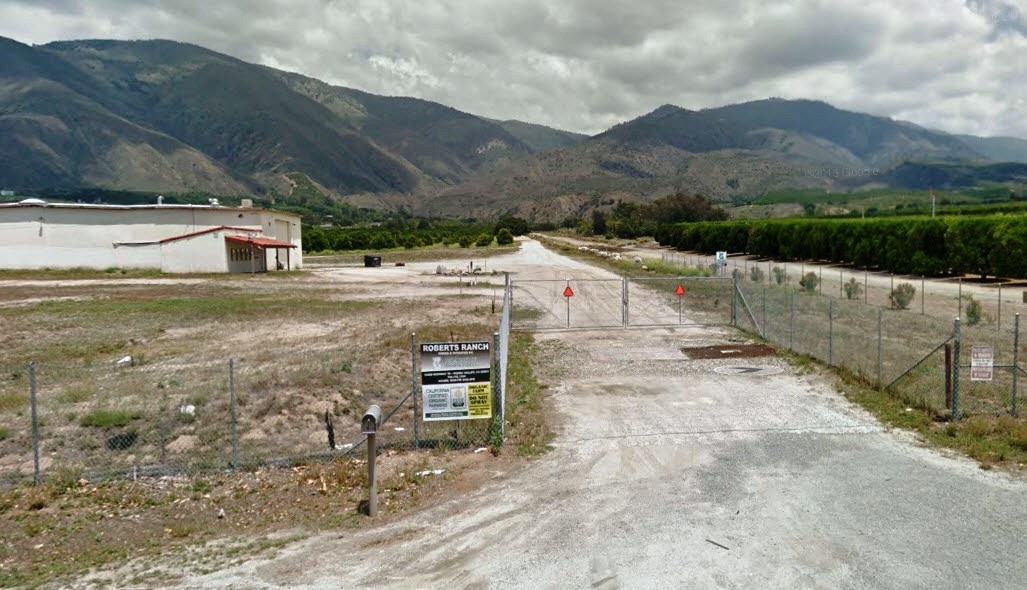
Palomar Main LZ Gate Update:
​
Main LZ access on Sunday is now available to SDHGPA Club Members along with all other days.
  • Lock with SDHGPA Gate Code has been added the Main LZ Gate
  • Use is to be treated as we do with all other gates: open and close behind on Sundays.
  • If Gate is open when we arrive any other day of the week, we may leave the gate open and unlocked. 
  • Last person out should lock the gate on all days.
Picture

Call for SDHGPA Weather Station Proposals: - Approved
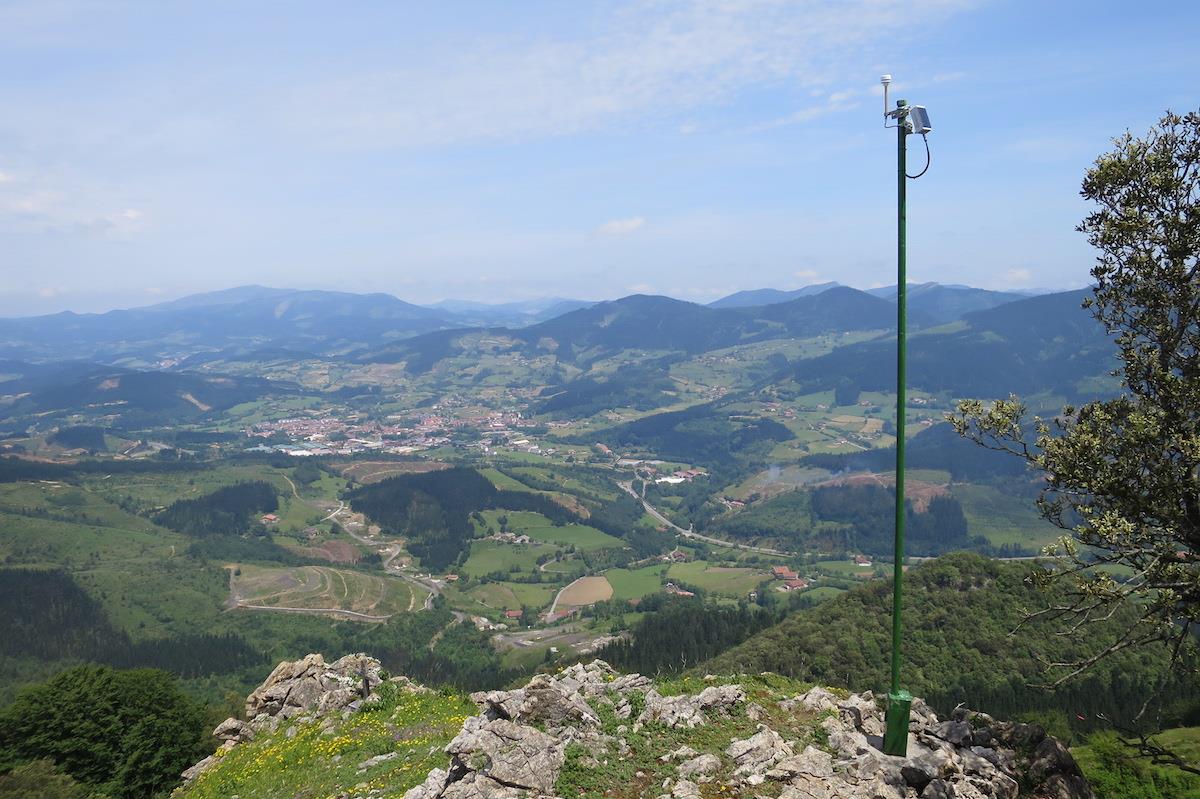
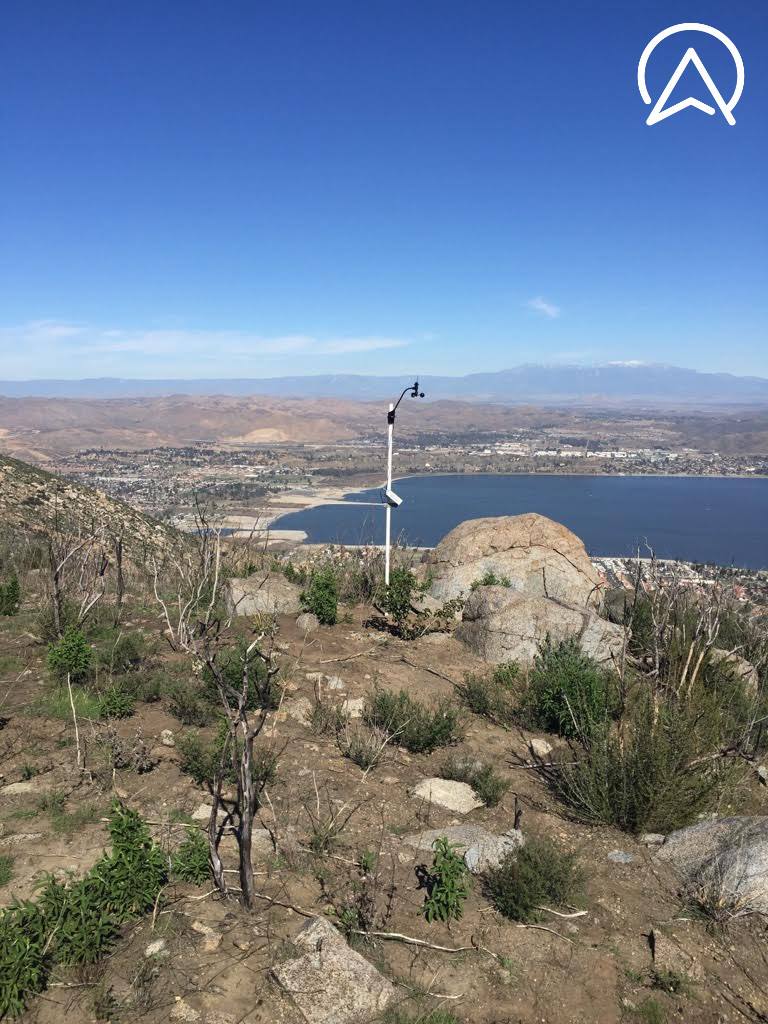
  • Elsinore and several in AZ sites have installed  "Holfuy" Weather Stations that look to be a fairly good Weather Station turn key solution.  Holfuy includes web data hosting backbone, website modules, and phone Apps with their stations that are autonomous running on 3G / GSM network and solar power. http://holfuy.com/en/shop.php   Station Specs: http://holfuy.com/en/about.php 
  • Jeff Brown volunteered to work on Proposal investigations and System Designs
​Proposal to include:
  1. Weather Station Design Alternatives
  2. Initial costs and reoccurring costs per station and other alternatives to Holfuy stations. http://holfuy.com/en/
    • Holfuy Standard 450€  ~ $500  (Controls Hub & Solar Power box)
    • Davis 6410 sensor. 110€  ~$125  (Wind anemometer & vane)
    • or Ultrasonic sensor 490€  ~ $500
    • Humidity sensor 110€  ~ $125   (if want cloud base predictions)
    • Camera 300€  ~ $340
  • System Sub total for Simple Anemometer Wind only: $768.34
  • System Sub total for All up with higher end options ~ $1564.72 per station
  • Other costs:
    1. Pole & Installation costs
    2. SIM card & Data Plan
  • Finalize Station Designs
The Board voted unanimously to spend up to $2K per weather station and associated data plans and installation for two initial trail stations. The first trial stations are proposed to be at the Palomar Main Launch and Little Black.  
  • Dave M will ask LB Rangers if we can put one up behind launch or below the 500 on LB, otherwise we'll investigate other alternatives for a true site ind reading.  
  • For Palomar, we will scout placement locations at or before the July fly-in.
  • Steve will seek permission for installation from the Pala Tribal Council â€‹.
​
Aug Update: After initial proof of concept install at Palomar, the Board decided to approve a 3rd station for installation this year under the 2017 budget and the first 3 Stations would be installed at Palomar, Horse, & Laguna as being sites that are undeserved by current weather stations and being lease susceptible to being vandalized. 
Example â€‹Holfuy stations and web module samples:
Picture
Elsinore Holfuy anemometer style station
Picture
Holfuy Ultrasonic style with web cam station
Picture
Holfuy Ultrasonic style with web cam station

Accident Awareness & Prime Season is here.
Reminder to follow USHPA Pilot Proficiency SOPs for flight condition parameters per rating level. - Midday flying should be reserved for advanced pilots only at all Mt sites off of the coast.
​  

Recent Accident reports were also reviewed.  Without getting into details for two recent accidents at our San Diego and other US sites, some things all pilots should be reminded of when flying home sites or abroad in another country: 
  • Flying mid-day during peak heating should be reserved for advanced pilots at inland sites.
  • Fly within recommended operating parameters in Site Guides/ Protocols and USHPA Pilot Proficiency ​​System​ Pilot Proficiency Ratings.
  • Always fly with local pilots. If they are not flying, there might be a reason. 
  • Seek the advice of local pilots for weather and site introductions for each day based on weather conditions. 
  • Seek out and join Local Clubs and utilize those clubs resources for site guides and other information available regarding sites. 
  • When traveling as well as at your home sites, make sure you have insurance that covers you when and where you are. 
​

Fly-in Planning:
Summer fly-in 2017:
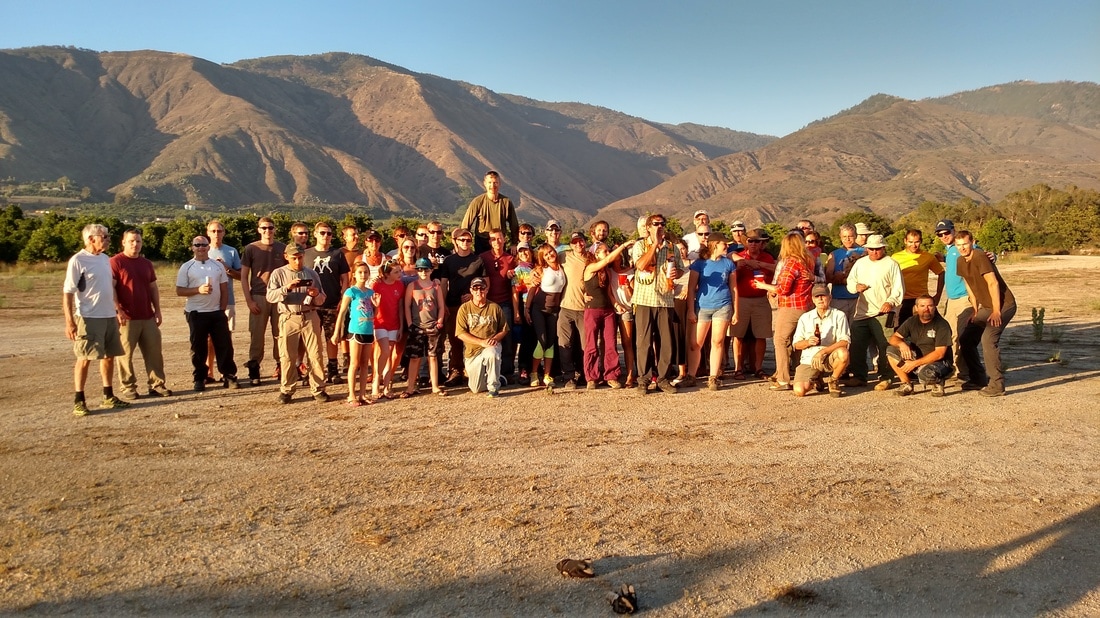
  • Summer SDHGPA Fly-in will be July 8th at Palomar, targeting evening glass-off.
  • Midday flying not recommended!
  • Alternate WX fall back date of July 22nd
  • Steve will work on Pala Tribal Council Approval

Fall Halloween fly-in at Horse Canyon is Tentatively scheduled for October 28th
Picture
Summer Fly-in & Palomar 2015

Traditionally there is no scheduled SDHGPA Meeting in July.  The Aug Meeting time slot has too many conflicts for Board Members and will be canceled.  The Next Scheduled SDHGPA meeting will be in September on the 21st. Follow the SDHGPA Calendar for updates.
0 Comments

Spring is here - ready to fly?

4/24/2017

0 Comments

 
Picture
Photo Cedit: Alex Turner

HG tips from a Jedi Master that cross over to the PG side.

Spring is here and ,maybe you are getting ready to fly after a bit of a layoff. Review your take off procedure. Do you like to have a wire crew? If you need a wire crew to stabilize your glider at take off you shouldn’t be at take off. You may want help getting to the spot where you start your run. This is especially true at the Laguna cliff launch where you have to get your glider up over a hump and get your wing tips past rocky bumps. It’s good to have some help, a little insurance, to keep the glider from getting away from you as you negotiate the obstacles. But once on launch you should be able to control the glider by yourself no matter what the wind does. Why? Well, when you say “CLEAR!”, you are the only one controlling your glider. What if at that instant, or during the first step or two of your run, the wind conditions where you need help, suddenly occur? You have to control the glider on your own.
You build a weather model in your head. At launch you study the wind conditions and see that there are times when the wind is too strong, or too cross, or too blustery. Then there are nice conditions. You decide that the nice conditions last long enough for a controlled take off. So you stand at launch with help controlling the glider during the not nice conditions and wait for a nice condition. It occurs and you say “CLEAR!”. What if you space-time weather model is wrong? What if the nice condition does not last as long as your model expects? What if the wind 20 feet down the ramp is not nice, that is the spatial aspect of your model is wrong? What are you willing to risk based on the weather model you have created in your head?
If you can’t control your glider during any conditions that could occur while you are standing at launch, you should not be standing at launch. This of course also involves a model. The model says that what you will experience at launch will be no worse than what you have observed over the past period of time.
Light wind conditions pose a different problem. Suppose you need a 10 mph wind on a shallow slope launch, and that is the maximum speed of the wind. Sometimes it is less. So you wait for a good cycle and off you go. If the wind holds, you are fine. If it gets lighter, then what? Again, you are basing your decision to take off on a model you have created in your head. If the wind is light you must be able to take off in no wind conditions.
Bill Helliwell
Photo Credit: Hadi - Henry Golian
0 Comments

SDHGPA meeting Minutes - Sept 17 2015

9/18/2015

1 Comment

 
SDHGPA meeting, Sept 17 2015

Meeting called to order
3 board members present (SR, BH, DM)

Torrey Pines Soaring Council:
Picture
Peter Hill was appointed as SDHGPA's new Torrey Pines Soaring Council representative replacing David Metzgar following this month's TPSC meeting on the 21st.

David Metzgar reported the results of the survey of SDHGPA Members, taken at the request of the Torrey Pines Soaring Council, on the question of the possible re-regulation of Torrey Pines as a Hang 3 site requiring 50 hours of flight time, to replace the current Hang 4 requirement. 

Thanks to all who answered, these results will be reported to the TPSC:

Summary: (PG, HG, and biwingual pilot responses were similarly distributed and equal in numbers, and are therefor merged).
SHOULD TORREY BE OPENED UP TO HANG 3'S?
  • No, and TP should be a P4 site - 1
  • No, dangerous to self and others - 2
  • Yes, with training + checkout - 3
  • Yes, strongly agree - 9
  • Yes, doesn't require 50 hours - 1

Site Updates:
Blossom:
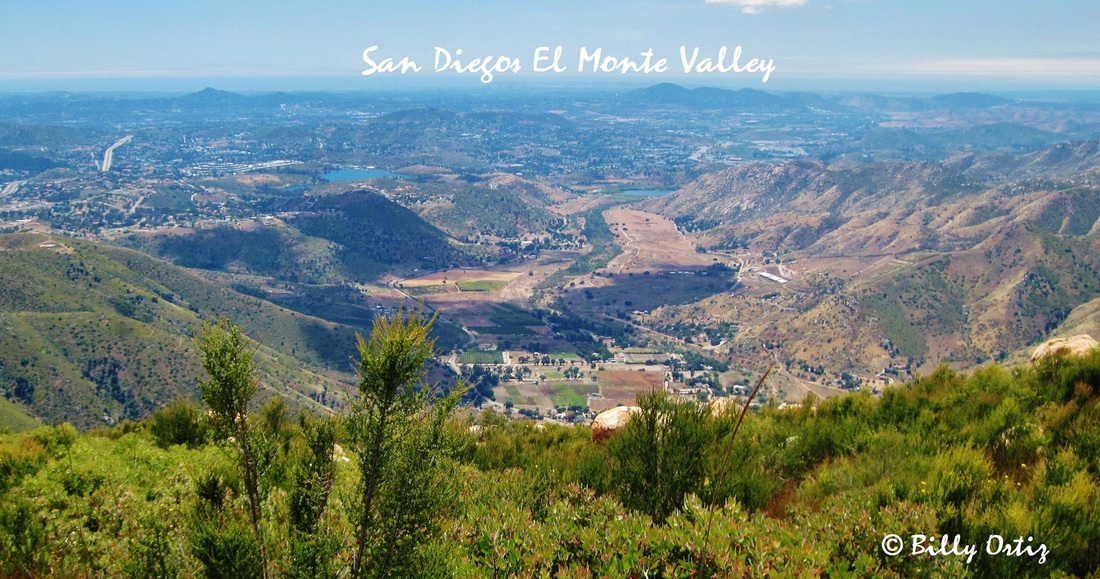
Bill Helliwell reported plans to develop a large-scale sand/gravel pit mine in El Monte valley (to us, Blossom Valley). There is an active movement protesting this development by conservationists and land use groups in Lakeside, and they would appreciate any supportive letters our club, or members of our club, could write to our county supervisors highlighting the negative impacts this would have on our flying activities and the viewshed in the area along with our desires to limit industrial development in the valley. The development is being disingenuously presented as a preservation activity.
Picture
You can follow conservation efforts at the following web site.
https://saveelmontevalley.wordpress.com/

and on Facebook:
https://www.facebook.com/El-Monte-Nature-Preserve-Stop-The-Sand-Mine-In-El-Monte-Valley-1840620092830820/timeline/

Safety Report
An announcement was made regarding USHPA's Safety notice letter.  Some had not seen it yet. All were advised to look in their email spam folder or social filter folder. 

For those that missed the USHPA Safety Notice, it can be downloaded at the following link:
http://ushpa.aero/safety/safetynotice_20150828.pdf

Topic: (Discussion topic lead by Steve R)
Palomar & Laguna XC - Finding lift in all the right places & Avoiding the Hazard Zones

A big thank you to Angela for organizing the BBQ along with all those that pitched in!
Cheers,
Dave
1 Comment

SDHGPA Safety Review 5-21-15

6/25/2015

0 Comments

 
So… the safety review was, as expected, total chaos. . . But, we had some good discussion points, and some important take-aways could be found in the mess. 


Ultra-summarized version of this Safety Review:  
  • Airspeed, angle of attack, and altitude are your friends. 
  • When in doubt, go hands up and let the glider fly. 
  • If you think there is any chance you will run out of altitude prior to recovery from an event involving a severe collapse, stall or spin, throw your reserve. Now. 
  • Check your reserve for attachment and bag lock. 
  • Do not become complacent, safe flying requires constant attention and simultaneous awareness of many variables.
(Facilitated and Written by Dave Metzger; corrected by both the pilots involved and the instructors who took part in the review.)
Safety in Flight Reports & Round Table Discussion meeting notes  5-21-15 : 
Summarized Discussions:

Little Black Incident  (1-31-15) :
Picture
Steve Poretta described his accident at Little Black. In short, he was flying close to the hill, intending to do some S-turns down the NW face of Little Black to land at the LZ. Steve had flown the same site over 100 times without incident, and the evening conditions were quite smooth. 

He reported encountering some lift, causing the wing to drop back a bit, and simultaneously initiated an intended 180 degree turn from west to east, in order to fly back towards the trail and say hi to another pilot climbing up the trail (me, Dave Metzgar).

He initiated the turn with a strong right brake input, which ultimately caused the right wing to stall and became a spin. After the spin was occurring, he realized what had happened and released the brake, whereupon the glider recovered with a strong surge and swung him into the face of the mountain, resulting in a broken vertebra, broken ribs, etc. 

Steve noted that he did not pull the brake any harder than he would have at altitude in order to enter a thermal, and he was surprised when it caused the glider to spin. Moreover, his reaction to the spin was the same as it would have been in a similar situation elsewhere. He believes his accident was the result of complacency – not focusing on flying, his altitude, and his safety margin, but rather on going back to the east to say hi to the pilot climbing the hill, and going in to land. 


Feedback Discussion: 

Bill Davis noted that complacency is a guaranteed killer in situations where lots of things may damage or kill you, like combat situations. Other pilots noted this was not a combat situation, but rather a recreational sporting event where the goal was to have fun. [Note from Dave: that is part of the problem – yes, paragliding is a recreational sport, but it is an extreme sport where all manner of difficult-to-predict situational effects can damage or kill you – I agree with Bill, paragliding requires constant attention and consideration of all possible threats]. 

Enleau noted that he was surprised the glider spun given the brake input, as seen on the video. Dave noted there may have been some rotor involved, as the wind was switching between SW and NW. Dave noted that the spin initiated rather slowly, and greater awareness of the “barstool rotation” feeling imparted on the pilot during spin initiation could have allowed an earlier response (brake release), and thereby a less vigorous surge away from the hill rather than the strong surge towards the hill that resulted from a delayed release of the brake. Greg noted that, in similar situations, he has recognized that releasing the spin immediately could swing him into a hill, and chose to allow the spin to continue until he was turned away from the hill, so that the surge would carry him away rather than towards the slope. 

Dave noted that both earlier recognition of the spin and a more controlled exit could only have been made by a pilot with experience in spins, something that can only safely be gained by practicing deliberate spins at an SIV clinic over the water. 

Ultimately, the take-away here is primarily that we need to increase our focus on flying, our situational awareness, and our safety margin (increased airspeed and decreased angle of attack) when we are close to the ground – as is often the case as we are coming in to land in apparently benign evening conditions that would otherwise lull us into complacency. Close to the ground we are more subject to unpredictable changes in wind speed and direction caused by the terrain, and thereby more subject to various stalls and spins. As Enleau would put it, we have very little reserves in our altitude account to allow for recovery if we do stall or spin. So keep your airspeed up and your senses trained on inputs from wind indicators, glider position, and pressure feedback from your glider, and always maintain awareness of your altitude and position relative to the ground. 

Bill Helliwell noted that, once a person realizes they are going to hit the ground, it is critical to do so correctly – in the case of a hang glider, by allowing the airframe to take the bulk of the impact. Bill Davis noted that, in paragliders, the important thing in an impending impact is knowing how to do a proper PLF (parachute landing fall) and remembering to do so. If you weren’t trained in proper PLF technique by your instructor, you need to learn and practice the technique yourself until it becomes second nature.

Palomar Incident (5-2-15):
Picture
We watched Sophia’s video of Esperanza’s incident at Palomar. Both Phil and Angela provided second-hand testimony from Esperanza related to her experience. The various descriptions were generally consistent with the following interpretation:

Esperanza was several hundred feet over the terrain, in air that was unlikely to be affected by rotor or other terrain effects. She was thermal flying in moderately turbulent conditions. 

Esperanza's glider suffered a significant collapse, to which she responded by pulling relatively hard on one or both brakes. She noted that this was how she had learned to fly her previous glider, on which she was quite light, and that she tended to fly with quite a bit of brake on that previous glider.  Her initial brake input caused the glider to spin and/or stall, to which she responded by (at least partially) releasing the brakes.  

In the video, it appears as a collapse (apparently wind sheer-induced, likely by a thermal), followed by a spin, which resolves quickly into a stable parachutal stall, followed by a series of nearly-full stalls and partial recoveries. The reserve was thrown just prior to impact, without time to fully open. 

In her testimony, Esperanza stated that, when the glider did not spontaneously recover from the parachutal stall, she repetitively pulled both brakes hard in an effort to full-stall the glider, then released the brakes to allow the glider to recover. She stated that this was how she had being taught to recover when a glider did not spontaneously recover from a non-flying configuration. She then threw her reserve when she realized she did not have the altitude to regain normal flight.


Feedback Discussion:  

Phil noted that the pilot was flying an uncertified extra-small glider of a model that, in other sizes, is certified as a “hot” B-class glider. Such uncertified extra-small gliders often have unpredictable performance and recovery differentials as compared to larger sizes. 

Enleau noted that he had flown the same glider, and felt it had very light brake pressure and a relatively short brake travel to the stall point. In any case, the pilot reacted to both the initial collapse and the later parachutal stall with the incorrect action (pulling the brakes rather than fully releasing them), and in both cases did so consciously on the basis of either misinformation or misinterpretation of information. 

Phil, Enleau, and others noted that the best reaction to a collapse is, under most situations, to release brake pressure and allow the glider to speed up/increase angle of attack – a momentary brake input can be used prior to a collapse to prevent or limit the collapse as it is happening (on the side of the glider experiencing the collapse), and some counter-steering and weight shift may be necessary to prevent being turned into a hill or another glider - but prolonged brake inputs should be avoided when the glider is trying to recover from a collapse. 

Enleau noted that once a stall has been initiated and stabilized, the action required for a recovery is complete release of the brakes – even a small amount of maintained brake pull will prevent the glider from regaining a flying configuration. Furthermore, a full stall should be a last-resort measure, and is only useful in a very specific situation – when the pilot has a lot of altitude to spare, and when the glider has a significant forward cravat (wing tip stuck through the front lines of the glider from the front to the back, which cannot be released until forward motion ceases and allows the tucked wingtip to come forward out of the cravat). The full stall will not fix other types of cravats or tangles, it is a difficult and technical maneuver to perform correctly, and it requires a lot of altitude to perform with any degree of safety. 

In a situation such as Esperanza’s  (a stall or spin with several hundred feet of altitude), the order of action should have been:

1) Recognize the stall (feel the glider, look at the glider),
2) Assess altitude (ask if there is enough altitude for a safe recovery),  then either:
  • A) Determine there is enough altitude for a recovery, let the brakes all the way up (even push them up to slack the brake lines), and prepare to check the recovery surge with a momentary and modest brake input if the glider recovers and dives forward (even this “brake check” should only be applied if the glider is diving in front, and be quickly released as the glider comes back overhead). If the glider does not spontaneously recover, leave the brakes slack and either push on the A risers or utilize the speed bar to increase the angle of attack and allow the glider to restart. 
OR
  • B) Determine there is not enough altitude for a recovery, and immediately throw the reserve parachute. 

Similar to Steve’s situation, the cascade that led to this accident was initiated by a large brake input from the pilot, and a lack of awareness of the risk of stalling or spinning the glider that this represented. In this case, the glider’s inherent tendencies may have contributed, as may have questionable habits gained from flying earlier gliders [Dave noted that flying light, as Esperanza noted she had been on her previous glider, is good reason to fly faster, not slower – being underweight on a glider increases the inherent likelihood of a stall or spin]. 

In this case, the initial accidental stall was exacerbated by the pilot believing that the correct action following the stall event was to deliberately full stall the glider (increase the angle of attack) when the correct action was actually the opposite (use A-riser or speed bar input to decrease the angle of attack and encourage the glider to restart). Furthermore, at low altitudes, a recovery to normal flight and the ensuing surge may result in a high-speed impact, as Steve’s accident demonstrates. 

Pilots need to be constantly aware of altitude, and have a clear understanding of the altitude needed for recovery from various sub optimal configurations. If we ever find ourselves in such configurations with less altitude that what is needed to assure a safe recovery, we must choose to throw our reserve without hesitation. And if we find ourselves in such configurations at even lower altitudes, where both recovery and reserve deployment are impossible, we’re left with PLF and prayer – really, the only sensible options are to studiously avoid being low to the ground, or to be hypervigilant and maintain plenty of extra airspeed if we must be low to the ground (for example, on landing approach).

We have two “safety accounts” in our sky bank – an airspeed/angle of attack account and an altitude account. The first one becomes overdrawn when you stall the wing, and the second one becomes overdrawn when you hit the ground. The more of both that you maintain, the more secure you are in flight. When the airspeed/angle of attack account appears to be running out (following a collapse, in an imminent spin, glider pushed back behind us by wind sheer or thermal) or runs entirely dry (glider stalls or spins), the immediate necessity is to assess your altitude and determine whether the correct action is to attempt recovery or to throw the reserve. If you choose the first, remember that it almost always initially involves putting your hands all the way up to increase the angle of attack and allow the glider to fly again, thereby regaining wing pressure, full inflation, and lift. If it doesn’t work, be ready to move to option 2 immediately. If you choose instead to throw the reserve, throw it immediately before circumstances either make it useless or impossible. Finally, make use of our community – discuss flying styles and practices with diverse pilots, see what they do and what they think. Then watch them to see how their different styles work out in practice. Know what you are doing and why you are doing it, and constantly seek to learn. None of us are perfect, we all know that our sport is fraught with complex hazards, and we all seek to help and be helped in the process of becoming safer and better pilots. 

[A discussion of the benefits of maintaining a healthy reserve in the airspeed account should be accompanied by the adage... if all you have is a hammer, everything looks like a nail.  In other words, flying with your hands up all the time might work out at Torrey, but it won’t keep your wing open very long on a typical summer afternoon at Blossom.  Hands up equals low angle of attack, and a collapse is caused by the angle of attack getting too low. Often referred to as active piloting, the ability to apply higher brake pressures rapidly and safely with the correct timing drastically improves safety by preventing collapses. These brake inputs are used to prevent a collapse, not as a response to a collapse that has already occurred.]

SIV Clinic Incident (5-1-15):
We also heard from Angela Albota, who described Ziggy’s fatal accident recently at an SIV clinic. 
Angela reported that Ziggy was flying a small acro wing with acro toggles & through hand grips. He experienced a series of stalls and increasingly intense recovery surges that ultimately led to falling through the lines, then entered a high-speed spiral dive which terminated at the water in a fatal impact. The pilot was told multiple times to throw his reserve, but failed to do so. 
Picture
Upon inspection after the incident, the pilot had one hand tangled in the lines, which may have prevented a reserve throw. The pilot was using an acro harness with double  ring cutaway and two reserves; both were rendered inoperable by packing errors – neither would have worked had the pilot been able to use them. 

Because the accident and the preceding cascade are well-described publicly already, the discussion thereafter centered around reserve use and inspection. 

Public Posts can be summarized by these two:


Peter Hill who also witnessed this incident posted the following on the Paragliding Forum:
Some Facts - please refrain from further speculation 
- Pilot was towed up to about 2500ft above the lake 
- News reports were incorrect: the pilot was not attached to the towline, and had released from the tow at around 2500ft and was doing SIV manaouvers 
- Flying an Ozone acro wing 
- Experienced XC Pilot, also had multiple SIV experience, pilot owned multiple wings and flew them all on a regular basis 
- Above report is correct - Full frontal, over correction, full stall, big surge and probably fell through lines and perhaps line twist. Then worsening spiral from about 800ft agl 
- Not known why neither reserve was deployed, possibly hands tangled in brake handles. The wing had very large acro T handles and if a twist occurred with hands through the brake handles, it can become impossible to release either or both hands to grab a reserve handle 
- Glider went into a spiral, pilot did not appear to respond to repeated radio calls to throw either reserve 
- The spiral worsened, until it was a very high downward speed for the last 400ft 
- Everyone on the ground that witnessed the accident was absolutely devastated and in complete shock 
Bradley Gunnuscio's May 2nd post on Facebook:
It is a sad sad day, and one of the hardest things I have ever had to go through... 
Some of you might of heard, I watched a friend die yesterday... 
He pulled a full frontal to over control, stalled let up on the brakes to flipping through the lines riser twists, and when he went for his reserve's ( plural as he had 2) neither would come out of the harness... frown emoticon 
We need to know our reserve systems my dear feathered friends.... When you go to pull you are going to be under stress and most likely lots of G forces, it needs to come out like its Greased in pig fat.... 
I am willing to take any pilots reserve out and teach and show them how it works.. 
The only good thing that can come out of this is if we learn from this and save future lives.... 
I am still in shock and thank you to all that have reached out to me, the group and I that witnessed this horrific event are a mess right now... 
Sending love to all of you out there and please be safe...

Our deepest sincere condolences goes out to Ziggy's Family and friends.

Reserve Use and Inspection Discussion:
One of the accident pilot’s reserves was not attached to his harness, and would have simply blown away had it been deployed. Worse, this reserve system was designed to release the main paraglider upon deployment, which would have put the pilot in freefall and likely made use of the second reserve impossible. The second reserve had a short pull strap and long pins, and was thereby “bag locked” – that is, pulling on the reserve handle would not have been sufficient to free the pins, as the handle strap would have come tight prior to the pins being released. 

Dave pointed out that there are no certifications for packing paragliding and hang gliding reserve parachutes and they are all different. It is therefore the responsibility of the pilot to assure their reserves are correctly packed and operational no matter who packs them. 

Everyone should inspect their reserve upon having it repacked, and again prior to any SIV clinics, competitions, or other situations where reserve deployments are common. Inspection should include checking the riser connections and the routing of the risers, checking that the bag is not locked (by carefully pulling the handle until the pins are almost pulled out of their stay loops, to make sure there is enough slack in the strap to allow the pins to be pulled), then fully reinserting the pins, the handle, and the Velcro or tuck flaps. I also check my pins every flight, to ensure that the reserve is not in danger of inadvertent deployment due to the pins coming loose. 

Reserve parachutes are generally provided with specific packing instructions, including descriptions of the required orientation of the bag and the deployment strap and handle relative to the reserve container on the harness. 

Jason pointed out that bag lock is a very common phenomenon, having been identified in previous safety clinics as  being responsible for the in-operability of approximately 20% of tested reserves.

Safe Flights
0 Comments

SDHGPA Meeting Minutes 3-26-2015

3/27/2015

0 Comments

 
David Metzgar, SDHGPA Secretary 
Open SDHGPA General Meeting Minutes 3-26-2015
SDHGPA Business:  
SDHGPA is now officially registered and listed as a 501 (c) (7) Tax Exempt nonprofit; thank you Mr. Helliwell for all your efforts.
Site Reports
Picture
Blossom: Don't land in the valley below Blossom. Period. It is trespassing, and it will guarantee that we never regain permission to use the old LZ. If you sink out, side hill land on the face of the mountain. If you land in the old LZ, everyone else in the club will hate you, and eventually we will kick you out of the club and you won't be able to launch there either. Please don't be clueless and stupid. Read the site rules before you fly any site (ours or elsewhere), and follow them. http://www.sdhgpa.com/blossom-valley.html

Palomar has lots of Site Rules as requested by our Land Owners. They are clearly described in the site guide, and continued use of the site is dependent on everyone following them. As with Blossom, Palomar is on private property and it is a hard-won privilege to fly there. The owners have asked us to only allow pilots to fly there if they demonstrate that they are smart enough to read. Carry your membership cards, display your placard, lock the gate, call Pala security and John Smiley every time before you go launch. Land only in designated LZs and for sure do not land in areas designated as being close. Pala security and other Land Owners are watching you, and they are calling us.
http://www.sdhgpa.com/palomar.html

Safety Report:
Picture
We have already experienced two injury accidents at Little Black this spring. Recent conditions have been more summer-like than spring-like, and awareness of both conditions and your own capabilities is critical to your survival and continued ability to enjoy this sport.

Contributing factors in both incidences: these pilots were flying in inappropriate locations to prevailing conditions. We are continuing to see this with many pilots at our more complex non simple ridge sites like Little Black and Palomar to name a few.

It is never a bad time to step back to a slightly more conservative flying style, a safer wing, or more mellow hours of the day. Review your training books; read "Understanding the Sky" and "Speed to Fly". For a quick review and practical example of evaluating Palomar's and Little Black's sensitivity to wind shifts see: http://www.sdhgpa.com/minutes-news--articles/effective-ridge-lift-flying-mountain-sites

Again. Remember that paragliding and hang gliding are really dangerous, and your family and friends want you to be safe more than they want you to fly high and go far. Remember no one cares how long you stayed up, if you set XC records, or do cool acro. No one. Really. You are the pilot in command of your glider, or your wheelchair, and of your life.


Spring Fly-in
Picture
Spring fly-in will be in May, likely at Palomar May 2nd, or possibly on Memorial Day Weekend. Experiencing some difficulties coordinating with mothers, XC leagues, etc. Any suggestions are welcome!  

Doug P and Jody L offered to help with planning and coordination in addition to the social committee.

Keep an eye out for an upcoming Spring Fly-in Flier/ blog post.


0 Comments

Bill's Mountain Flying & Incidence Report Aug 16 &17 2014

8/17/2014

0 Comments

 
On Saturday the weather forecast was telling me that it would not be blowing up at Laguna. Five of us went to Horse for a fly around day, getting there a little before 1:00. Wind at launch was 10 mph and a little from the right, not really an issue. We all had good take-offs. John, Mike L and Chris H each managed to find a thermal that took them over 7,000'. They were then able to fly around staying above 5,500'. At least that is what it looked like to me. 

Glenn and I could not find the elevator to 1,000' over. 

We struggled to stay at ridge level. At least a half hour of my flight was below the ridge top. Not wanting to give up too soon, I scratched around and eventually ended up landing at the postage stamp. The other pilots were able to make it across the freeway to Anderson's field. The wind there was parallel with the road from the North.

Sunday the weather forecast indicated a chance for taking off at Laguna. Anna, John, Mike B and I arrived around 11:30. Floyd had arrived just before us and was setting up the GOAT. Wind was Easterly at 10 mph. Everybody took off into a decent breeze. I was last to go. 
Picture
When I walked up to launch the wind was zero. Now I am thinking that I want to get off and up with everybody else, and it is getting ready to blow down. I was anxious to get off and did not wait to stabilize the glider. The breeze was light and swirly. I took off in a left turn, went out a few tens of feet, rotated around and crashed into the cliff about 50 feet below launch and slightly to the left. I am ok, legs a little banged up. That is the short story.
Once a year or so the fire and rescue folks do cliff rescue training at the cliff at Laguna launch. 
Picture
They were there on Sunday. They were in the process of packing up when I took off. Instead of wire-help-friends having to make phone calls and wait, who knows how long, the rescue folks were down to me in a couple of minutes. They disconnected me from my glider and put on a climbing harness over my harness. I expected to be able to use my feet against the rocks and sort of walk up the cliff as I was pulled up with ropes. I have three injuries, a contusion with slight scraping on my left tricep, the same on my left outer thigh, and a groin pull on my right leg from being yanked by the harness. The groin pull, yelling at my brain, would not let me use my right leg for anything. They ended up hauling me up in a basket. Paramedics had arrived and checked me out. They said they had notified a hospital, they wanted to move me from the basket to a back board, and were ready to take me. I told them I wanted them to help get my harness off, then I was going to sit up, then stand up, and assess the damage. We did it my way. My assessment was I had no broken bones, no bleeding, no stitches required, no head or back damage. The head paramedic, a very sensitive and caring woman, wanted me to drop my trousers so she could check out my legs. I complied. A couple of paramedics helped me walk/shuffle to my car.

Where did it all go haywire? 
It turns out a person was there with a high def video camera and recorded the whole thing. He posted it on YouTube and we were watching it while driving home. His video is:
https://www.youtube.com/watch?v=DoJKlgI75sA

Anna extracted the few relevant seconds and slowed it down. :
https://www.youtube.com/watch?v=co6Z8Vx7peQ

Allison, an experienced wire person, is on the right. A friend of Floyd, who had not helped launch a flex wing before, is on the left. You can see that when I say clear both wire people do exactly the right thing and let go. Behind launch I talked to Floyd's friend and went over the take-off procedure. He indicated he understood what to do and he subsequently did it exactly correct. (I want to make this clear. He was very upset after my crash, and felt horrible that he may have caused it. This is not the case.) 
The main cause of the blown launch is clear to me, I screwed up. In the video, especially the slow motion version. you can see the wing oscillating -- the wing tip going up forward down back. When I said "launching" the right wing was moving up and forward. After one step I am in a hard left turn. It also looks like I may be letting the nose come up. My recollection is that the glider wasn't flying and I didn't want the base tube to hit the ground. Once I am out a bit you can see I have shifted my weight right to counter the left turn. I should have been pulling in too but if I was it was clearly not enough to get airspeed to fly the glider. I was locked in a left turn.
Picture
Lessons?
  • Never be in a hurry to join your friends in the air.
  • Never be in a hurry because the wind conditions may change and make it impossible to fly.
  • Balance the glider so that it is stationary before taking the first step.
  • The instant before a crash, let go and use your limbs tucked in to protect your body.

Bill H.
0 Comments

SDHGPA Firmly reiterates USHPA statement regarding Dell Schanze and his operations

7/3/2013

0 Comments

 
In response to Fox 5 article and other press inquiries regarding the tragic fatal Powered Paragliding Instruction accident in Imperial Beach under the direction of Dell Schanze on JULY 1, 2013 http://fox5sandiego.com/2013/07/01/paraglider-death-sparks-controversy/#axzz2XvxGtMBM

(Yes this comes just months after after Dell Schanze single handily gets Paragliging and Powerered Paragliding banned in Imperial Beach) http://www.10news.com/news/extreme-sports-enthusiast-gets-sport-banned-in-ib

The San Diego Hang-gliding and Paragliding Association (SDHGPA) extends its sincere condolences to the family of Henry Ho and Firmly reiterates USHPA's statements regarding Dell Schanze and his operations under any other alias including (SuperDell, Dell Buck Schanze, World Powered Paragliding Association, WPPA, totallyawesome.com, Flat Top Paramotor, or u-turnusa.com).  u-turnusa.com should not be confused with the legitimate brand and legitimate dealers of u-turn.com.

SDHGPA encourages people interested in learning to fly hang gliders, paragliders, or power paragliders (PPG) to seek out trained instructors holding valid USHPA or USPPA Instructor Appointments. This would exclude Dell Schanze, and his flight school operations and self created World Powered Paragliding Association.

More specifically: Dell Schanze and his flight school operations are not sanctioned by USHPA. Dell Schanze is also not a current USHPA member in good standing. His Prior Ratings and Tandem Appointment have lapsed or have were revoked by USHPA in June of 2012.  Dell Schanze has never has never held any USHPA Basic Instructor or Advanced Instructor appointments. He has held no USHPA appointments since June of 2010.

Further, Dell Schanze and his flight school operations, as non USHPA members, are not welcome at SDHGPA maintained and Site Insured flying sites (Little Black, Blossom, Horse, Laguna, Big Black, Palomar, Blossom, and Otay Mesa) or in a 4 mile vicinity of those sites for any flight or ground handling activities.

Paragliding (PG) and Powered Paragliding (PPG) flight is conducted under FAR Part 103, and is deemed to be self regulating. The FAA and Pilot Community Recognized Self Regulation body for our sports is the United States Hang Gliding and Paragliding Association (USHPA) and/ or the United States Powered Paragliding Association (USPPA) . All competent and respected instructors are members of one or both of these two organizations and abide by their self regulation guidelines for each respective discipline.

Please Reference USHPA’s Official Statement on 7-3-2013 at: http://www.ushpa.aero/  or below.

Steve Rohrbaugh
SDHGPA President
(SDHGPA is a Local Chapter of USHPA)


USHPA’s Official Statement posted on 7-3-2013  : http://www.ushpa.aero
Inquiries Concerning a Recent Accident: 7/3/2013 The United States Hang Gliding and Paragliding Association, Inc., (USHPA) has received a number of inquiries concerning a paragliding fatality that occurred recently at Imperial Beach, California, specifically asking what we know about Dell Schanze and any paragliding operations he may have been conducting. 

The news reports of that incident indicate that the family of the student, Henry Ho, believes that he was under the instruction of Dell Schanze at the time of the fatality. According to news reports, Dell Schanze denies that he was instructing at the time. 

USHPA extends its sincere condolences to the family of Henry Ho. 

Dell Schanze has not been a member of USHPA since June of 2012, when USHPA made a determination that because of his conduct he was no longer eligible for membership in USHPA. Refusing membership to Dell Schanze came in response to a number of incidents demonstrating a disregard for the rules governing safe flying practices, and conduct determined to be materially and seriously prejudicial to the purposes of USHPA to promote the sport of paragliding and to promote safety and safe flying practices. Dell Schanze remains ineligible for membership in USHPA. 

Prior to June of 2010, Dell Schanze held a USHPA appointment as a Tandem Instructor. That appointment lapsed in June 2010 due to non-renewal, a process which includes demonstration of proficiency and currency. He has never held any USHPA Basic Instructor or Advanced Instructor appointments. He has held no USHPA appointments since June of 2010. 

News reports indicate that Henry Ho was not wearing a helmet at the time of his fatal accident. USHPA regulations require that paragliding students under the instruction of USHPA appointed instructors wear helmets at all times. 

USHPA chapters are reminded that Dell Schanze is not a USHPA member and as such he should not be permitted to fly or instruct at USHPA insured sites. 

USHPA supports chapters using all legal means to prevent non-members from endangering USHPA insured sites by flying or offering instruction at those sites. USHPA supports officials investigating situations where actions of pilots are in violation of USHPA SOPs, have caused site closures, or constitute other conduct materially and seriously prejudicial to the sport. 

People interested in learning to fly hang gliders or paragliders are encouraged to seek out trained instructors holding valid USHPA Instructor Appointments. You can check whether an instructor holds a USHPA Instructor Appointment by consulting the USHPA website at http://www.ushpa.aero

Paragliding (PG) and Powered Paragliding (PPG) flight is conducted under the FAA FAR Part 103, and is deemed to be self regulating. The FAA and Pilot Community's Recognized Self Regulation body for our sports is the United States Hang Gliding and Paragliding Association (USHPA) and/ or the United States Powered Paragliding Association (USPPA).  All competent and respected instructors are members of one or both of these two organizations and abide by their self regulation guidelines for each respective discipline.

0 Comments
Forward>>
    Picture

    SDHGPA

    The San Diego Hang Gliding and Paragliding Association


    Categories

    All
    Articles
    Elections
    Equipment
    FAQ
    Flight History
    Flight Report
    Flying Site News And Updates
    Fly Ins
    Meeting Minutes
    News
    Press Release
    Safety & Accident Reports
    SDHGPA Weather Stations
    Telegram SDHGPA Communication
    Travel
    Weather
    XC Clinic

    Archives

    March 2026
    September 2025
    May 2025
    January 2025
    August 2024
    February 2024
    January 2024
    November 2023
    August 2023
    May 2023
    April 2023
    February 2023
    January 2023
    November 2022
    October 2022
    September 2022
    August 2022
    June 2022
    April 2022
    January 2022
    November 2021
    July 2021
    June 2021
    April 2021
    February 2021
    January 2021
    December 2020
    November 2020
    September 2020
    July 2020
    April 2020
    March 2020
    January 2020
    November 2019
    October 2019
    September 2019
    August 2019
    July 2019
    June 2019
    May 2019
    April 2019
    March 2019
    February 2019
    January 2019
    December 2018
    November 2018
    October 2018
    July 2018
    May 2018
    April 2018
    February 2018
    January 2018
    December 2017
    November 2017
    October 2017
    September 2017
    August 2017
    July 2017
    June 2017
    April 2017
    March 2017
    February 2017
    January 2017
    November 2016
    October 2016
    June 2016
    May 2016
    February 2016
    January 2016
    December 2015
    November 2015
    October 2015
    September 2015
    August 2015
    July 2015
    June 2015
    May 2015
    April 2015
    March 2015
    February 2015
    January 2015
    November 2014
    October 2014
    September 2014
    August 2014
    July 2014
    June 2014
    May 2014
    April 2014
    March 2014
    January 2014
    November 2013
    July 2013

    RSS Feed

SDHGPA logo
SDHGPA is a local chapter of 
Picture
USHPA 
(United States Hang Gliding and Paragliding Association)
SDHGPA, PO Box 720895, SAN DIEGO, CA 92172
Photo from Free Public Domain Illustrations by rawpixel